
All Articles & Insights
Explore strategy, markets, and business perspectives.

Consumer Demand Should Drive Expansion Decisions, Not Market Size
Many international expansion strategies begin by identifying the largest markets. Yet market size alone rarely determines commercial success. Sustainable expansion is more often driven by selecting product categories where consumer demand aligns with a brand's value proposition, operational capabilities, and long-term growth strategy. This article explores why understanding consumer demand should be the starting point of category prioritization and how it strengthens more disciplined expansion decisions.

Fast-Growing Categories Often Create Better Expansion Platforms Than Mature Ones
The largest category is not always the strongest opportunity. Fast-growing categories can offer greater strategic flexibility, stronger retailer engagement, and more room for differentiation, making them valuable platforms for long-term international expansion.

Consumer Trends Change Faster Than Most Expansion Plans
Consumer demand evolves continuously, yet many expansion strategies rely on outdated assumptions. Leading brands revisit consumer trends throughout the planning process, ensuring category prioritization reflects current market realities rather than historical conditions.

Market Sequencing Strategies: Why the Order You Enter Markets Matters More Than the Markets You Choose
Most brands choose their next market by asking which one is biggest. The better question is which one is first — and what that first choice makes possible for every market after it. This article examines market sequencing as a component of the Samana Insights Market Prioritization Framework.

Consumer Awareness Does Not Always Translate Into Consumer Demand
High consumer awareness does not necessarily create commercial opportunity. Brands expanding internationally must distinguish between consumers who recognize a category and those who consistently purchase it. Understanding this difference leads to stronger category prioritization, better capital allocation, and more effective market entry decisions.

The Largest Market Is Not Always the Best First Market
The biggest market may generate the biggest opportunity—but not necessarily the strongest foundation for international growth.

Expansion Momentum Is Built One Market at a Time
The greatest advantage in international expansion isn't speed—it's the ability to make every new market easier than the last.

Your First Expansion Market Is a Capability Investment, Not a Revenue Decision
The first market you enter should build more than revenue—it should build the capabilities that make every future expansion more successful.

Partner Governance Is Becoming a Competitive Advantage
Strong partnerships don't stay strong on their own. Governance is becoming one of the most overlooked competitive advantages in regional expansion.

Exclusive Agreements Increase Dependency Risk
Exclusive agreements can accelerate market entry—but they also increase dependency. Smart governance determines whether exclusivity creates value or risk.

Why High-Revenue Distributors Can Still Be Poor Partners
The biggest distributor isn't always the strongest expansion partner. Execution quality often determines long-term market success.

Distributor Consolidation Reshapes Southeast Asian Retail Access
Distributor consolidation is reshaping market access across Southeast Asia. While larger distribution groups can accelerate regional expansion, they also concentrate bargaining power, making partner selection a strategic decision that influences long-term execution, commercial flexibility, and growth.

Partner Reliability: Why Expansion Success Depends on Execution Consistency
International expansion is rarely limited by opportunity. More often, it is limited by execution. While companies spend months selecting distributors, manufacturers, logistics providers, or commercial partners, far fewer invest in measuring whether those partners can execute consistently over time. Sustainable regional growth depends less on finding the right partner and more on building reliable execution across every market.

Food Labels Are Becoming a Strategic Expansion Risk
Food labels are no longer just packaging decisions. They are becoming a critical factor in market-entry execution and operational scalability.

Faster Regulatory Reviews Do Not Automatically Mean Faster Market Entry
Faster regulatory reviews do not eliminate approval delays. In many cases, documentation readiness becomes the new competitive advantage.

Distributor Readiness Is Often More Important Than Distributor Size
The largest distributor is not always the best expansion partner. Distributor readiness, commitment, and execution capability often determine market-entry success more than network size.

Regulatory Readiness Gaps: The Hidden Risk Behind Failed Market Expansion
Executives frequently evaluate market size, competitive intensity, and commercial opportunity while underestimating regulatory readiness. Yet regulatory gaps are among the most common causes of delayed launches, stranded investments, and expansion underperformance. Organizations that integrate regulatory readiness into market-entry planning improve execution speed, capital efficiency, and long-term scalability.

Regulatory Clearance Realities and Sunk Costs
Regulatory clearance timelines vary significantly across Southeast Asia and directly impact market entry speed, capital deployment, and expansion sequencing. These differences make regulatory readiness a key factor in successful international expansion.

Distribution Channel Segmentation Realities
Successful Southeast Asian expansion depends on aligning categories with the right distribution channels. Premium and value segments require fundamentally different channel strategies to perform effectively across fragmented markets.
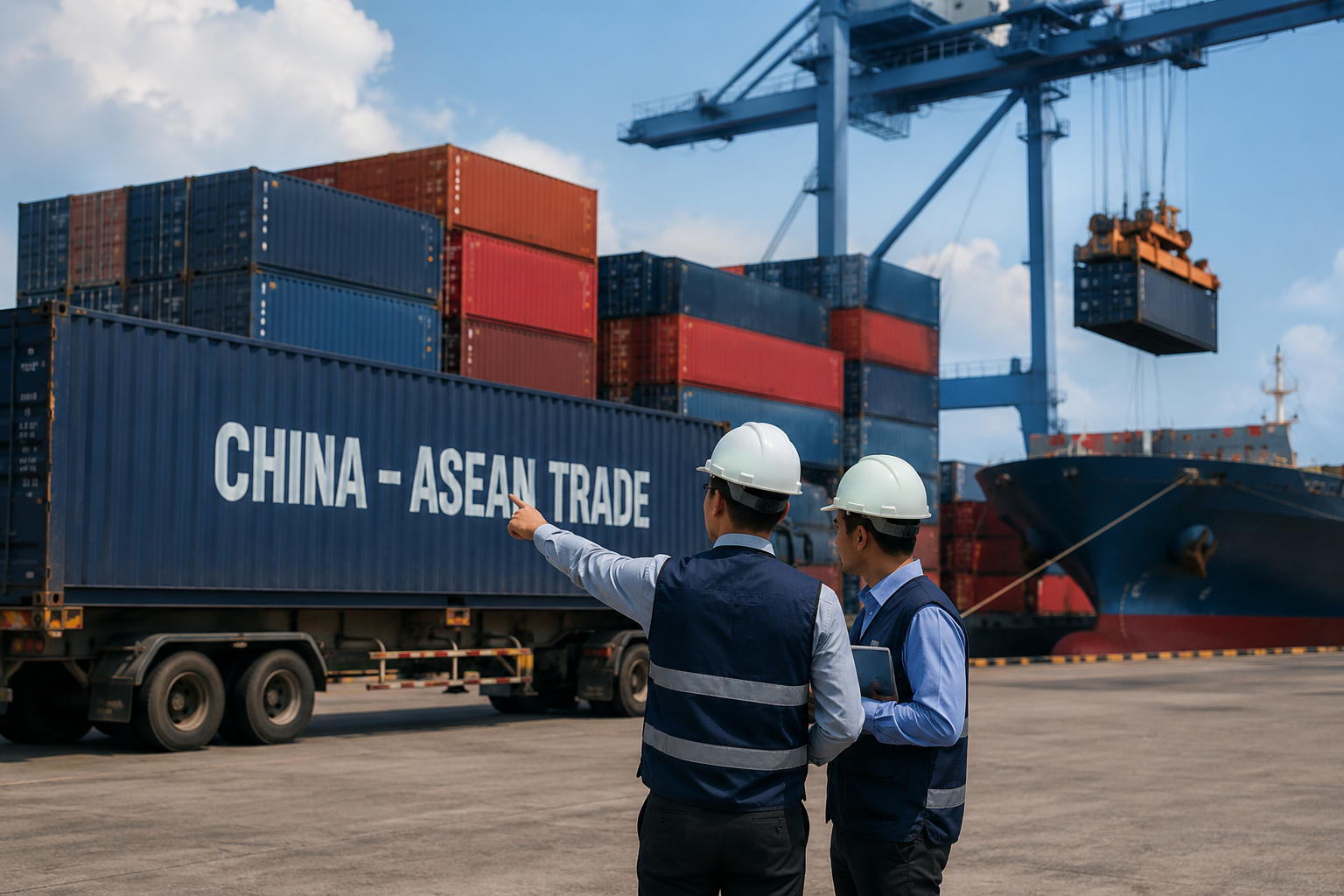
ASEAN-China Trade Scale vs. Market Access
Strong ASEAN-China trade volumes do not guarantee market access. Companies must validate category-specific route-to-market strategies and partner capabilities before assuming commercial success in the region.