
All Articles & Insights
Explore strategy, markets, and business perspectives.

Execution Capacity Is a Growth Constraint
Successful regional expansion depends not only on market opportunity but on organizational capacity. Every new category adds operational complexity, making disciplined execution essential for sustainable growth.

Category Prioritization: The Foundation of Successful Southeast Asian Expansion
Many companies choose markets before choosing categories. The result is delayed launches, rising compliance costs, and unnecessary capital exposure. Discover why leading expansion teams prioritize category readiness before market size when entering Southeast Asia.
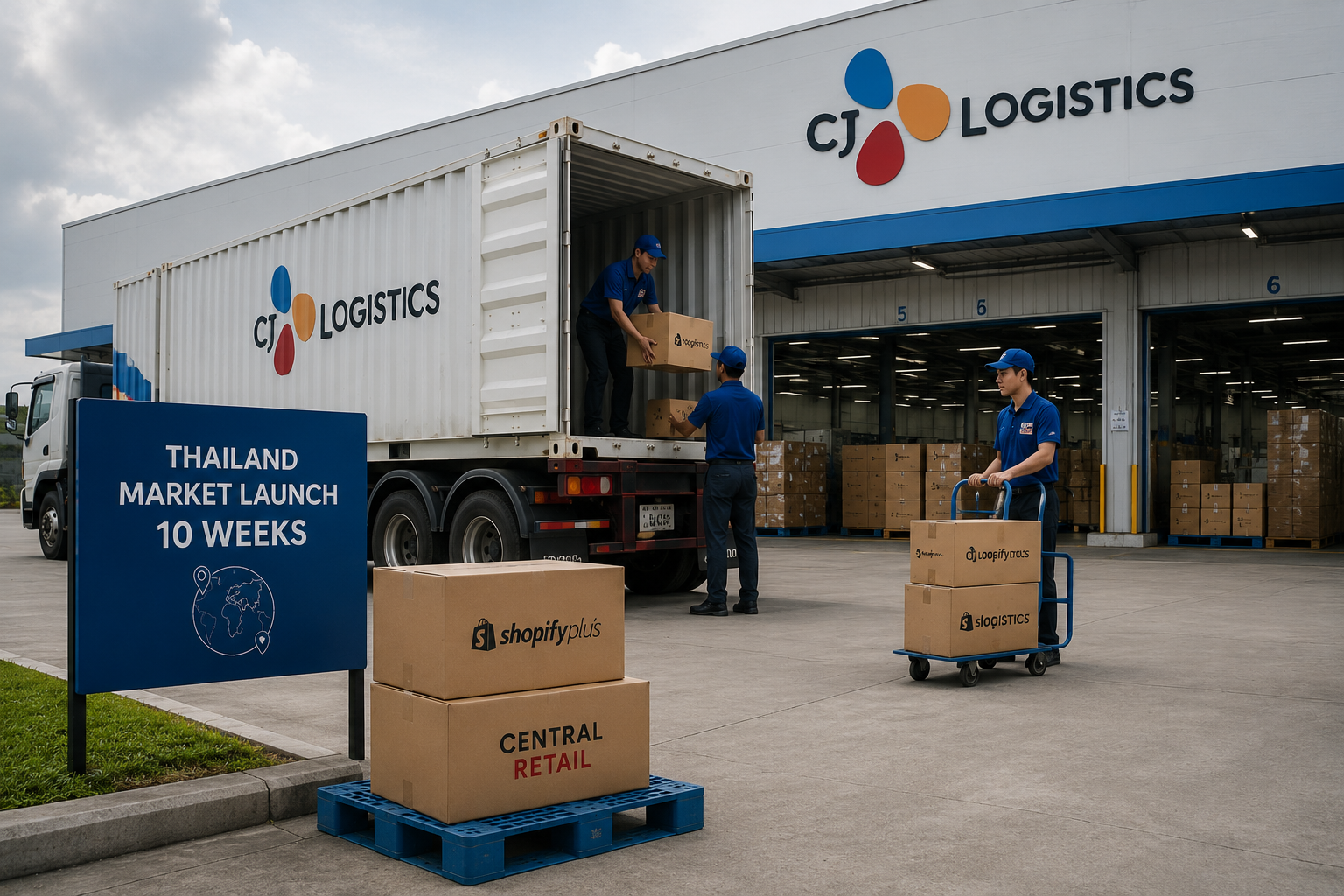
US Home Goods Brand Launches Thailand in 10 Weeks
A US home goods brand launched in Thailand in just 10 weeks with a fraction of the capital typically required for international expansion. The case demonstrates how partner-led market entry can accelerate growth while reducing financial risk.

Indonesia Mandates Local Distributor Partnerships for Foreign FMCG Brands
Indonesia's latest FMCG regulation could reshape how foreign brands enter and scale in Southeast Asia's largest consumer market. Companies relying on direct distribution face a six-month deadline to adapt, while local distributors gain access to a potentially lucrative wave of new partnerships.

Market Expansion: The Need To Be Asset Light
Market expansion does not require massive upfront investment. Asset-light models help businesses enter new markets, test demand, and scale efficiently while avoiding the burden of unnecessary fixed costs.

Southeast Asia 3PL Capacity Adds 4.2M Sq Ft in Q1
Southeast Asia added 4.2M sq ft of 3PL warehouse capacity in Q1 2026. Fulfillment costs dropped 8% to $2.10/order. Ninja Van and J&T Express serve 85% of cross-border SMEs. Partner infrastructure is more accessible.

Why Gut Feel Is Costing You the Right Partner
Most partner selection processes look structured on the surface — meetings, referrals, presentations. But underneath, the decision is still driven by instinct. Here's why that gap is where expansion capital disappears, and what a framework-driven approach changes.

Asset-Light Only Works If Your Partners Are Asset-Heavy
The asset-light model is the right expansion strategy — until your partner can't carry the weight you've transferred to them. Here's the condition most expansion plans miss entirely.

Networking as Expansion Infrastructure: Why International Trade Growth Depends on Strategic Partner Architecture
International expansion does not fail at the strategy layer. It fails at the execution interface. This advisory analysis breaks down why partner architecture has become the primary determinant of expansion ROI across Asian markets—and how disciplined organizations utilize localized network data to structure these networks for capital efficiency.

The Wrong Partner Costs More Than the Wrong Market
Partner risk is the most undercalculated variable in Asian market entry. Here's what it actually costs when the selection goes wrong — and why the damage rarely shows up until it's structural.

Market Entry Becomes More Expensive When Strategy Is Unclear
Expansion costs often rise not because markets are difficult — but because strategic priorities remain unclear.
Without focused channel, pricing, and execution alignment, complexity compounds quickly across markets.

The Cost of Delayed Localization
Many brands delay localization in order to maintain speed and consistency during expansion.
Over time, however, weak alignment with local consumer behavior can become a significant barrier to sustainable growth.

Distribution Reach Does Not Always Mean Market Influence
A large distributor network may create market access — but not necessarily market traction.
In many cases, execution capability, strategic alignment, and channel focus matter more than scale alone.

Expansion Fails Faster When Internal Alignment Is Weak
One of the earliest expansion risks often appears internally — long before market performance becomes visible.
As international operations scale, misalignment across leadership, operations, and commercial priorities can quickly slow execution and decision-making.

International Expansion Is Becoming More Operational Than Strategic
Many companies still approach international expansion primarily through a growth lens.
However, across Asia, operational readiness is increasingly becoming the real differentiator between successful expansion and execution failure.
As regulatory complexity, channel fragmentation, and operational coordination become more demanding, companies are being forced to rethink how expansion is prioritised and scaled.

When to Enter — and When to Wait
Many companies expand into new markets based on growth pressure rather than operational readiness, often leading to execution challenges and costly delays. Successful market entry depends on aligning regulatory clarity, distribution readiness, and scalable operational capability before expansion begins.

The Hidden Cost of “Testing Too Many Markets”
Testing too many markets simultaneously often creates fragmented execution, diluted resources, and limited operational focus. Sustainable international expansion is typically driven by disciplined market prioritization, deeper operational learning, and scalable execution strategies.

Partner Selection Often Determines Market Success
Partner selection is often underestimated during international expansion, despite playing a critical role in execution quality, market penetration, and long-term scalability. Strong strategic alignment, operational capability, and channel access can significantly influence whether a company succeeds or struggles in a new market.

Asia Expansion: Prioritising an Increasing Set of Options
Many companies enter Asian markets too quickly without validating localization, partner readiness, and operational scalability. Structured market prioritization is critical for sustainable expansion.