
All Articles & Insights
Explore strategy, markets, and business perspectives.

The Strongest Distributor on Paper May Be Wrong for Your Route to Market
Distributor strength is not absolute. A partner with impressive reach can still be wrong for an e-commerce-led entry, or unable to import your category at all. This Insight examines why partner suitability depends on decisions made before the search begins.

A Distributor Can Look Legitimate and Still Have a Network That Has Gone Quiet
Checking that a distributor exists is not the same as knowing it is still commercially alive. This Insight examines why visible market activity may reveal more about a partner's real capability than its credentials, and what dormant networks mean for market-entry decisions.

The Best Distributor Lead in the Market May Already Belong to Your Competitor
A competitor's distributor looks like the safest lead on any list. But the same brand roster that signals category credibility can also signal conflict, or stretched resources. This Insight examines how executives should read a distributor's portfolio before treating it as proof of fit.

Every Asian Market Has Dozens of Distributors. Which One Can Actually Deliver Your Brand?
Any team can build a list of distributors in an afternoon. Far fewer can say which of them genuinely fits their brand, category and route to market. This article explains why partner selection is a growth decision, and why fit, validation and the right contact matter more than the size of your list.

Your Distributor Can't Activate a Brand Kit That Isn't Actually Ready
A brand kit may be complete on paper but still unready for a new market. Before a distributor begins activation, brands need to confirm that their assets, documentation, and creative meet the destination market’s actual operating requirements.

The Second Wave Is Won Before the First Lands: Why Launch Timing Is a Registration Decision
Second-wave categories are often ranked lower because their route to market is slower, not because they matter less. Executives who wait for the first category to sell before starting the next one's groundwork turn a planned sequence into an unplanned stall.

Your Bestseller Is Not Always Your Best Opening Move: Why Category Prioritisation Decides Market Entry
A home-market bestseller is not always the right opening move. Category prioritisation helps companies decide what to lead with, what to follow with and what to hold back in each new market, protecting distributor confidence, margin and momentum.

The Largest Market Is Not Always the Best First Market
The biggest market may generate the biggest opportunity—but not necessarily the strongest foundation for international growth.

Expansion Momentum Is Built One Market at a Time
The greatest advantage in international expansion isn't speed—it's the ability to make every new market easier than the last.

Your First Expansion Market Is a Capability Investment, Not a Revenue Decision
The first market you enter should build more than revenue—it should build the capabilities that make every future expansion more successful.

Why High-Revenue Distributors Can Still Be Poor Partners
The biggest distributor isn't always the strongest expansion partner. Execution quality often determines long-term market success.

Faster Regulatory Reviews Do Not Automatically Mean Faster Market Entry
Faster regulatory reviews do not eliminate approval delays. In many cases, documentation readiness becomes the new competitive advantage.

Distributor Readiness Is Often More Important Than Distributor Size
The largest distributor is not always the best expansion partner. Distributor readiness, commitment, and execution capability often determine market-entry success more than network size.

Regulatory Clearance Realities and Sunk Costs
Regulatory clearance timelines vary significantly across Southeast Asia and directly impact market entry speed, capital deployment, and expansion sequencing. These differences make regulatory readiness a key factor in successful international expansion.

Distribution Channel Segmentation Realities
Successful Southeast Asian expansion depends on aligning categories with the right distribution channels. Premium and value segments require fundamentally different channel strategies to perform effectively across fragmented markets.
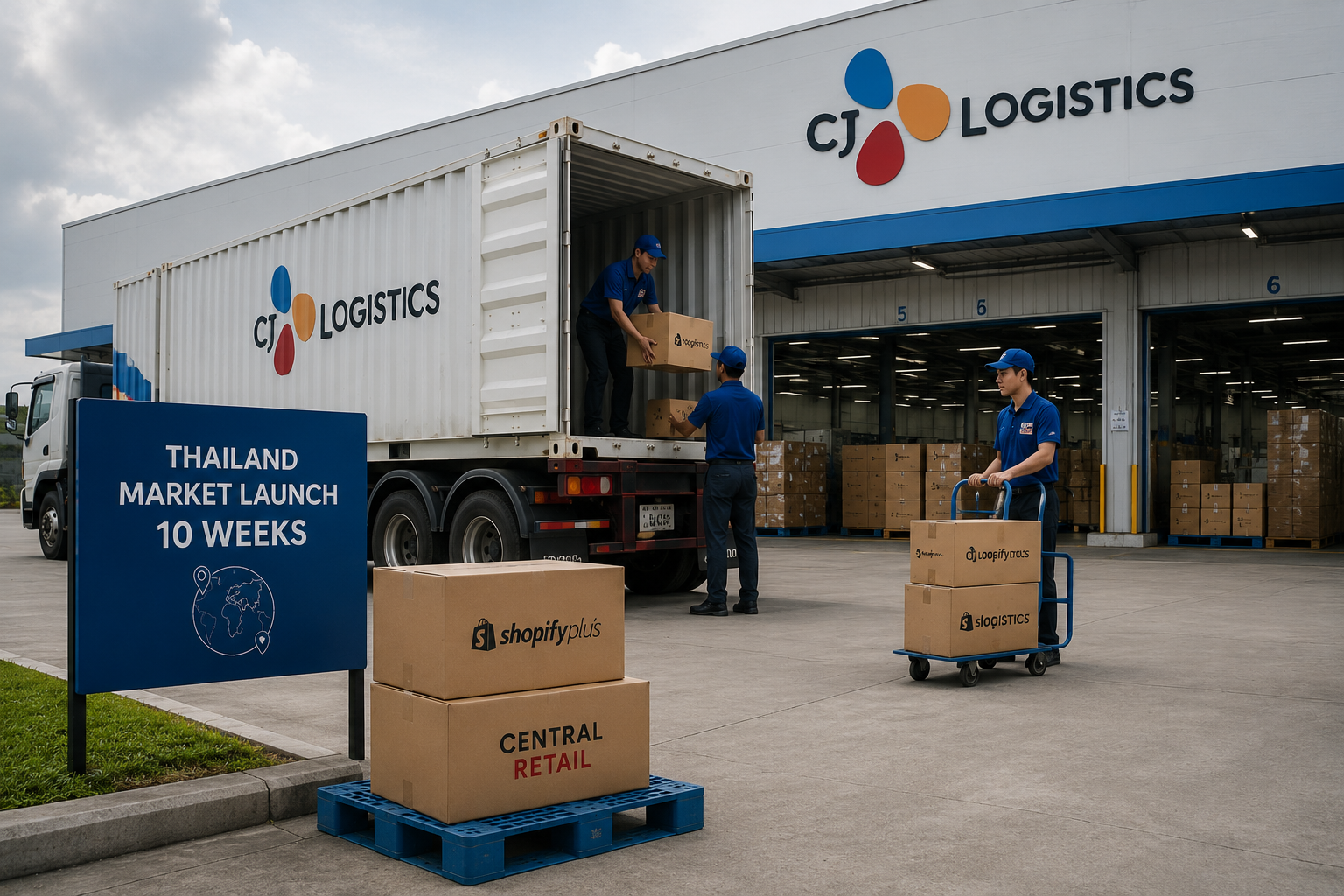
US Home Goods Brand Launches Thailand in 10 Weeks
A US home goods brand launched in Thailand in just 10 weeks with a fraction of the capital typically required for international expansion. The case demonstrates how partner-led market entry can accelerate growth while reducing financial risk.

Indonesia Mandates Local Distributor Partnerships for Foreign FMCG Brands
Indonesia's latest FMCG regulation could reshape how foreign brands enter and scale in Southeast Asia's largest consumer market. Companies relying on direct distribution face a six-month deadline to adapt, while local distributors gain access to a potentially lucrative wave of new partnerships.

Southeast Asia 3PL Capacity Adds 4.2M Sq Ft in Q1
Southeast Asia added 4.2M sq ft of 3PL warehouse capacity in Q1 2026. Fulfillment costs dropped 8% to $2.10/order. Ninja Van and J&T Express serve 85% of cross-border SMEs. Partner infrastructure is more accessible.

Asset-Light Only Works If Your Partners Are Asset-Heavy
The asset-light model is the right expansion strategy — until your partner can't carry the weight you've transferred to them. Here's the condition most expansion plans miss entirely.

Networking as Expansion Infrastructure: Why International Trade Growth Depends on Strategic Partner Architecture
International expansion does not fail at the strategy layer. It fails at the execution interface. This advisory analysis breaks down why partner architecture has become the primary determinant of expansion ROI across Asian markets—and how disciplined organizations utilize localized network data to structure these networks for capital efficiency.